Insights
Seoul living, read from the record.
Essays, deal notes and briefs for institutional readers. Every figure in them is read from Remarble Earth or cited to its publisher; none is estimated. The newest piece is open to everyone; the rest are free to read in full once you sign in with a work email.
Latest · Brief2026.09.29
Where Seoul's foreign visitors go — and where the growth is
Seoul's flexible-living rooms sell into foreign visitor demand that is concentrated in five districts but growing fastest outside them. Set against the institutional stock and its operators, the visitor data point to one district where demand is rising steeply and operators are few. The data say nothing about occupancy.
Remarble Research · 8 min readOpen to everyone
Read the briefAsk the research team
An analysis you would like to see? A suggestion?
Tell us what to research next — a submarket, an operator, a deal, a cut of the data — or what would make Remarble more useful to you.
Free · every message read
- 01You ask
- 02We run it through Remarble Earth
- 03We reply by email
01Essays
Long-form · 5–7 min · boards inline
The case for the sector, argued from Remarble Earth's record.
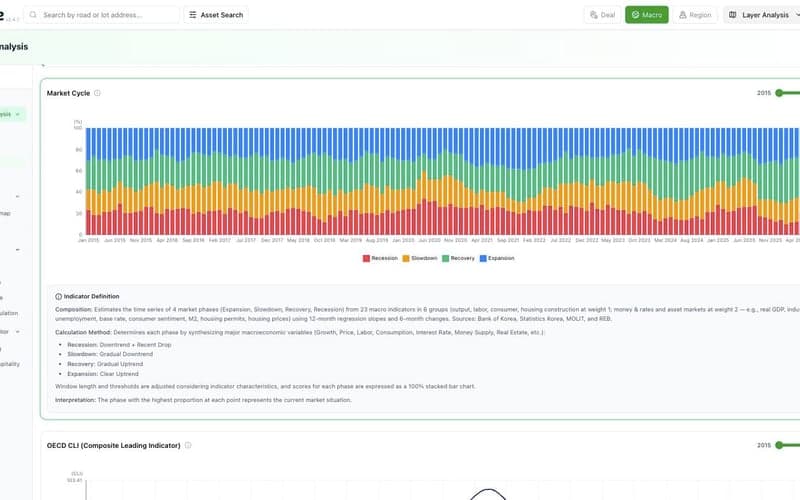
Why now, why Living?
Brokers and fund managers with different mandates each put APAC living among the sectors to favour in their 2026 outlooks. Four established theories of the city explain why, and the source of capital splits one label into four markets.
APAC · 2026.09.24 · 7 min
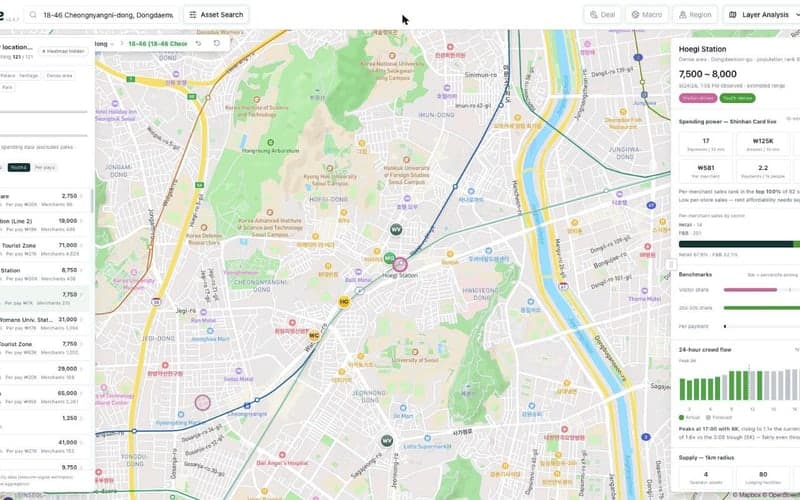
Demand, supply, capital
More households in a shrinking city, permits for small units down 75.9% since 2021, and a deposit-based tenure turning into monthly rent. Together they are opening Seoul's rental market to operators and foreign capital.
Demand · 2026.09.24 · 6 min
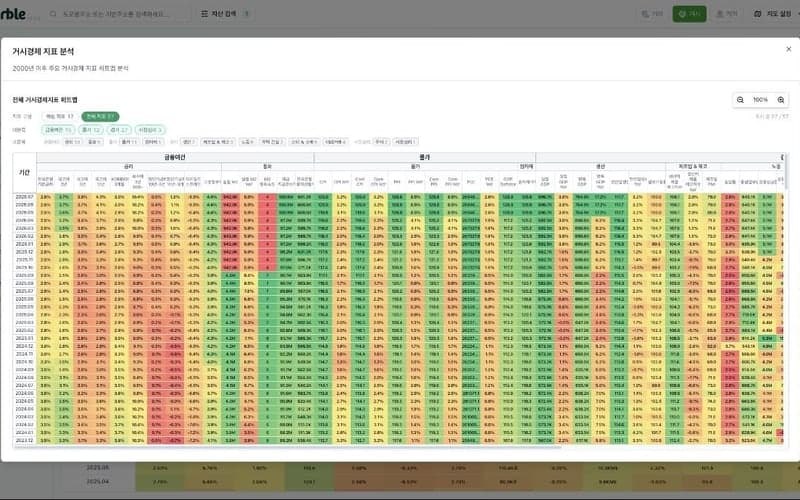
The macro holds. The policy doesn't.
The won is under pressure and household debt is high, but exports hold the line. The binding constraint is policy: rules written to curb speculators also catch corporate landlords.
Macro & policy · 2026.09.24 · 6 min
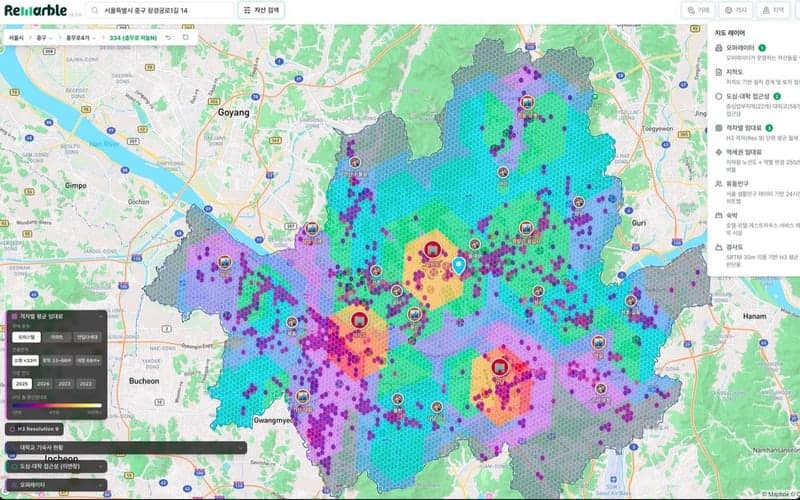
How capital gets into Seoul's living sector
The buy-build-lease model is difficult to run in Seoul today. Four routes work around it. Each starts from a signal in the data and is run by an operator already established in its segment.
Co-living · 2026.09.24 · 5 min
02Deal notes
Monthly · operators by code · no consideration published
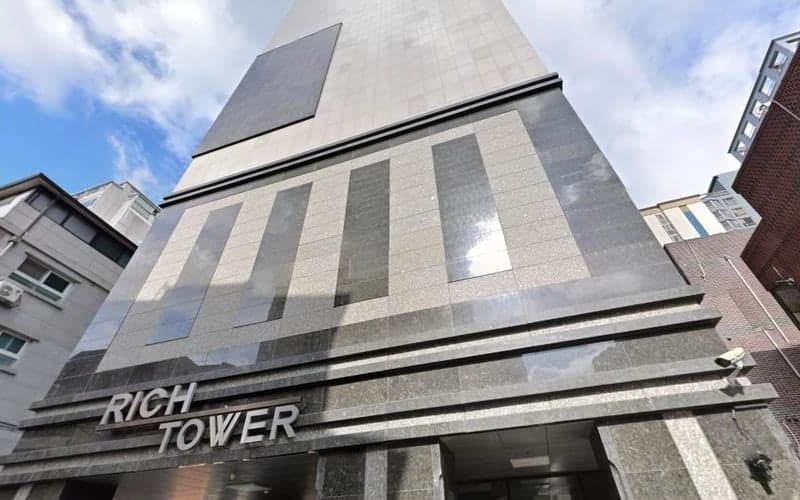
Transactions as they close: what changed hands, at which coordinate, and what Earth shows around it.
03Briefs
Short · 5 min · one figure
One board, one question, answered in the time it takes to read the board.
Where Seoul's foreign visitors go — and where the growth is
Seoul's flexible-living rooms sell into foreign visitor demand that is concentrated in five districts but growing fastest outside them. Set against the institutional stock and its operators, the visitor data point to one district where demand is rising steeply and operators are few. The data say nothing about occupancy.
Demand · 2026.09.29 · 8 min
Mapping Seoul's institutional living stock
122 operator-run assets, 19 operators tracked, and a concentration pattern in which only 6 run seven assets or more.
Operators · 2026.09.18 · 6 min
Priced out of buying: Seoul's rent gap in global context
Seoul has the 4th-highest price-to-income ratio among 12 global cities and the lowest rent-to-income ratio in the set. Together they suggest rents have room to rise.
Rents & affordability · 2026.09.11 · 5 min
Essays show the Remarble Earth screen they read from; deal notes the building, from the street (© NAVER); briefs a drawn figure.
The Seoul Living Brief
One data-led brief on Seoul living, every other Friday.
Written for institutional investors, family offices and operators across APAC. No news round-ups — one structural question per issue, with the data behind it.