ⅠThe question
A large market with little institutional stock
Under what conditions will Seoul's rental market institutionalise, and through whom?
In Remarble's view, Seoul is an anomaly the living-sector industry has yet to price in. It is a city of nine million with an institutional rental sector that barely exists: under 0.3% of its housing stock sits in professionally managed multifamily, against 5–10% in the United States and Japan.1 Remarble Earth, our research database, can link only 122 operating buildings across the whole city to a named living-sector operator.
For decades the gap was easy to explain. Seoul's rental market ran on jeonse: in place of rent, the tenant posts a lump-sum deposit, typically 60–80% of the property's value, which the landlord deploys as interest-free capital and returns in full when the lease ends. The stock came not from institutions but from individual "gap investors", who bought homes with a tenant's deposit covering most of the price. The structure left no role for an operator or for foreign capital. Three forces, building over a decade, are changing that.
Members only · free
Read the rest of this essay.
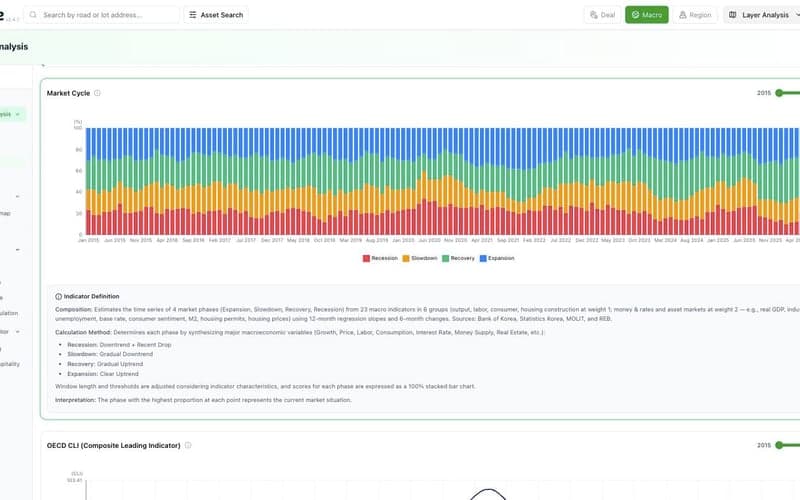
Remarble Insights is free for institutional readers. Sign in once with your work email and every essay, deal note and brief opens in full, with the interactive charts and Remarble Earth screenshots inside them.
- 5 chapters
- 3 interactive charts
- 9 cited sources
Discussion
Members, under their own name
Loading the discussion…
Comments show your name only — not your company, role or email. Keep them specific and civil; the Remarble team may hide a comment that is not. You can delete your own at any time. Privacy policy